The skin types
The foundation for vital, healthy skin is proper care – and that starts with understanding. Only when you decode your skin's individual needs can you support it effectively and give it exactly what it requires for its natural balance.

What skin types are there?
What is your skin type? It is primarily determined by genetics and remains largely unchanged throughout your life. For the use of our products, we focus on four basic skin types: normal skin, dry skin, oily skin, and combination skin. What is your skin type?
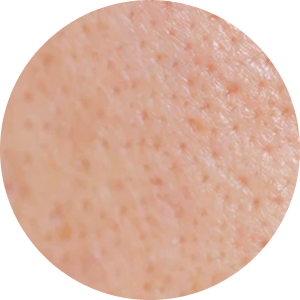
Mischhaut
Merkmale Ölige T-Zone, Trockene Wangenpartien, Kombinations-Effekt
Hautstruktur & Poren Die Hautstruktur ist in der T-Zone oft grober, wobei die Poren dort sichtbar erweitert sind und l...
Teint Der Teint der Mischhaut wird oft als uneben, glänzend (in der T-Zone) und insgesamt unausgegliche...
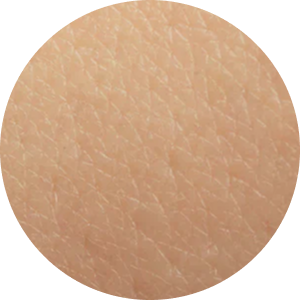
Normale Haut
Merkmale Ausgewogenes Niveau, Widerstandsfähigkeit, Problemlosigkeit
Hautstruktur & Poren Die Struktur ist glatt und gleichmäßig. Die Poren sind fein und nicht übermäßig sichtbar, was zu ...
Teint Das Erscheinungsbild ist ausgeglichen, glatt und strahlend. Sie fühlt sich geschmeidig und gesund...
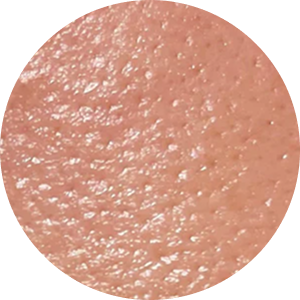
Ölige Haut
Merkmale Überschüssige Talgproduktion, Anfälligkeit für Unreinheiten, Schwere
Hautstruktur & Poren Charakteristisch sind deutlich erweiterte Poren, die über das gesamte Gesicht (besonders aber in ...
Teint Das Erscheinungsbild wird als glänzend, fettig und oft als schwer wahrgenommen. Der Teint wirkt s...
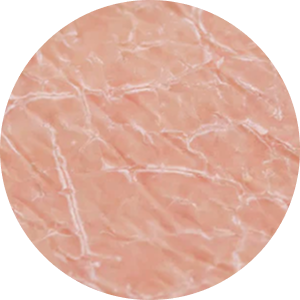
Trockene Haut
Merkmale Trockenheitsgefühl & Schuppen, Mangel an Fettproduktion, Empfindlichkeit
Hautstruktur & Poren Die Hautstruktur kann dünn und empfindlich sein. Ein Vorteil dieses Typs sind die feinen Poren, d...
Teint Der Teint wird als matt, schuppig und rau beschrieben. Das typische Hautgefühl ist ein unangenehm...
How is the skin structured?
Your skin consists of three main layers and many sublayers. These include the epidermis (outer layer), the dermis (middle layer), and the subcutis (subcutaneous tissue). All are closely connected and work together to support everything your largest organ can do. For better understanding, we show you the individual layers in a simplified cross-section of the skin: